Redmi Note 17 Pro Max Launches in India at ₹49,999 with a 10,000mAh Battery and 100W Charging
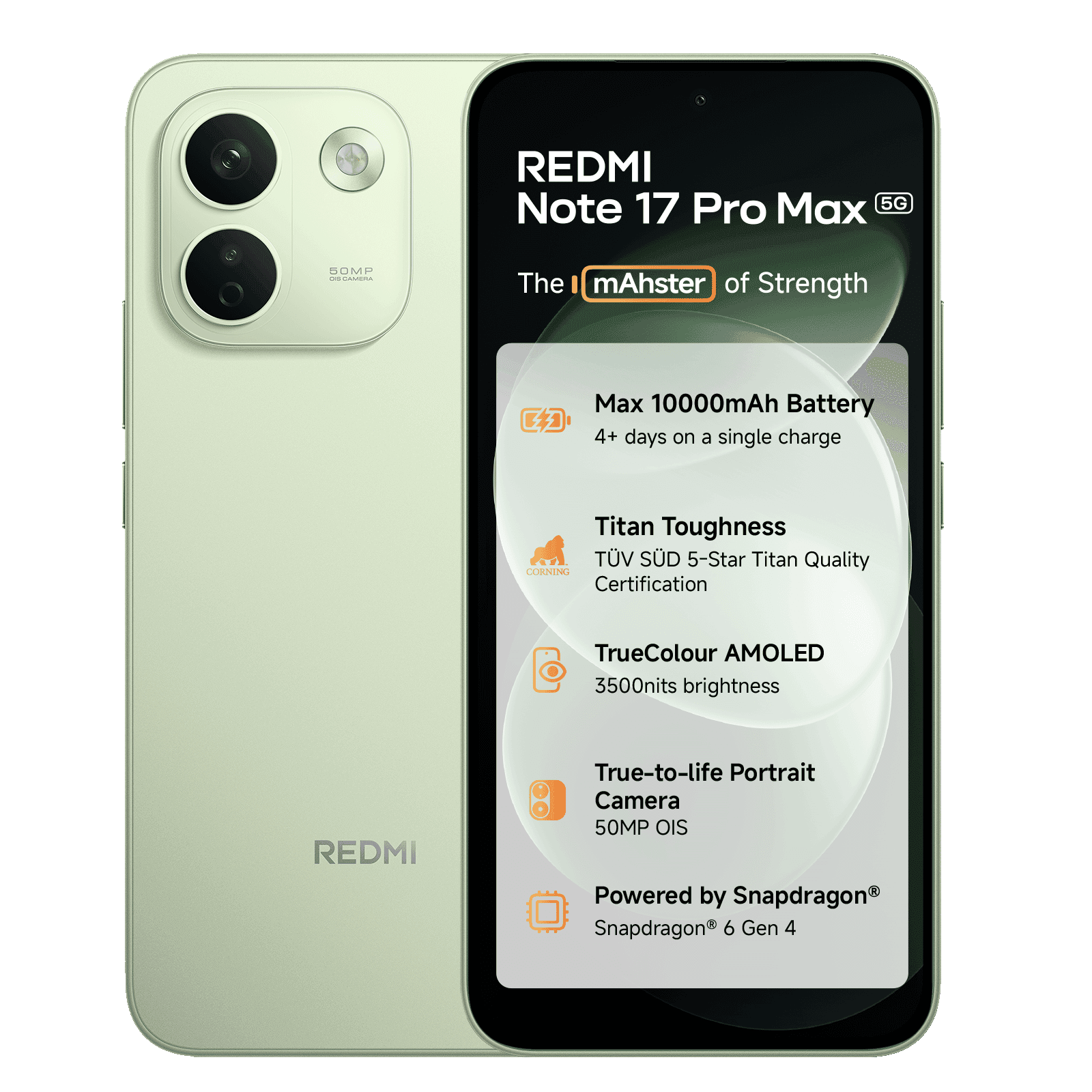
Xiaomi launched the Redmi Note 17 Pro and Pro Max in India on September 15, starting at ₹36,999, with the Pro Max bringing a 10,000mAh battery and 100W charging to the Redmi Note line for the first time.
Xiaomi launched the Redmi Note 17 Pro and Redmi Note 17 Pro Max in India on September 15, with the standard Pro starting at ₹36,999 and the Pro Max at ₹49,999. Sales for the Pro open September 17 through mi.com, Amazon India, Xiaomi Retail stores, and offline partners; the Pro Max follows on September 23. Both prices drop further with launch-week bank offers, ₹3,000 off the Pro and ₹5,000 off the Pro Max, bringing the effective entry prices to ₹33,999 and ₹44,999 respectively for anyone paying with an eligible card.
Two phones, one meaningfully different battery story
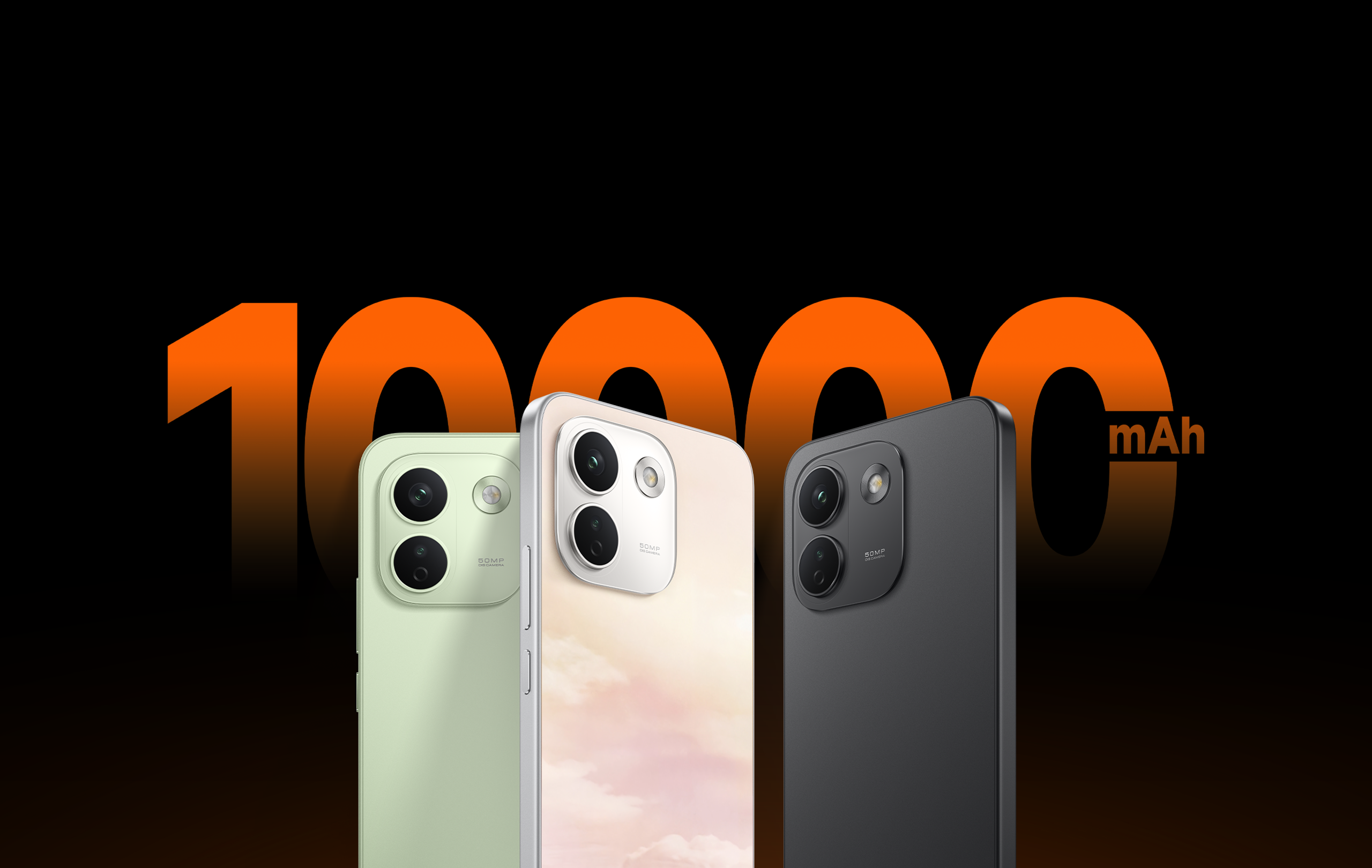
The headline spec split between the two models is battery and charging. The Redmi Note 17 Pro carries a 9,000mAh cell with 67W HyperCharge, already a large battery by mid-range standards. The Pro Max goes further with a 10,000mAh silicon-carbon battery and 100W HyperCharge, a jump Xiaomi is using to position the Pro Max as the first Max-branded phone in the entire Redmi Note Pro lineage, not just a bigger-storage variant of the same device. Silicon-carbon battery chemistry is what lets Xiaomi pack more capacity into roughly the same phone thickness compared to older lithium-ion cells, which is the same approach several Chinese phone makers have leaned on this year to push past the 8,000 and 9,000mAh marks without ending up with a noticeably thicker phone.
Pricing and variants
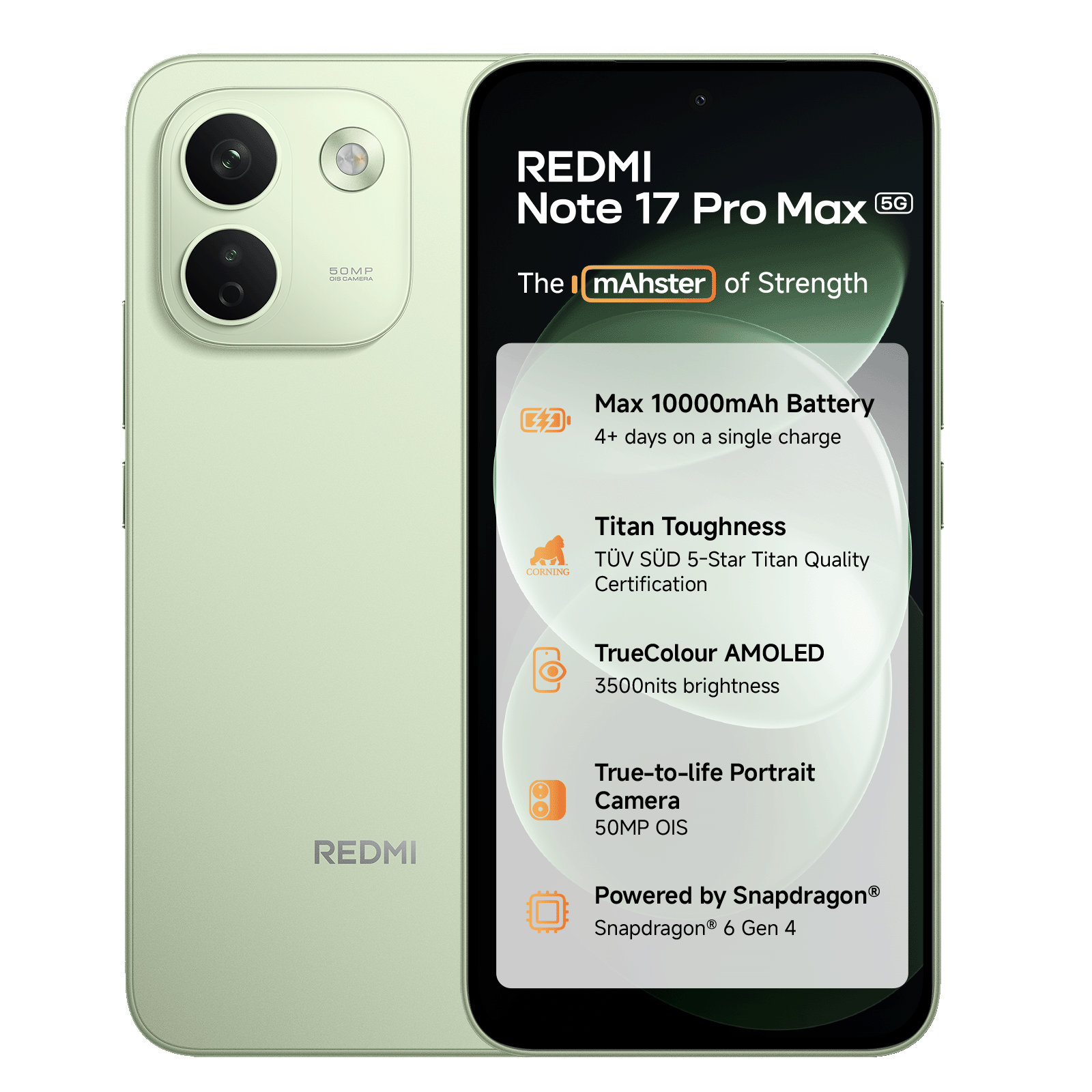
The Redmi Note 17 Pro 5G comes in two configurations: 8GB RAM with 128GB storage at ₹36,999, and 8GB with 256GB at ₹39,999. It's available in Purple Vibe, Cloud Blue, and Stealth Black. The Pro Max skips the smaller storage tier entirely, starting at 8GB RAM with 256GB storage for ₹49,999, with a 12GB RAM, 256GB option at ₹55,999, in Stealth Black, Matcha Green, and a photochromic Secret Sunrise finish that shifts color under sunlight. Neither model offers a 512GB option in India, a gap some early buyers online have already flagged in launch-day comments.
What's different under the display
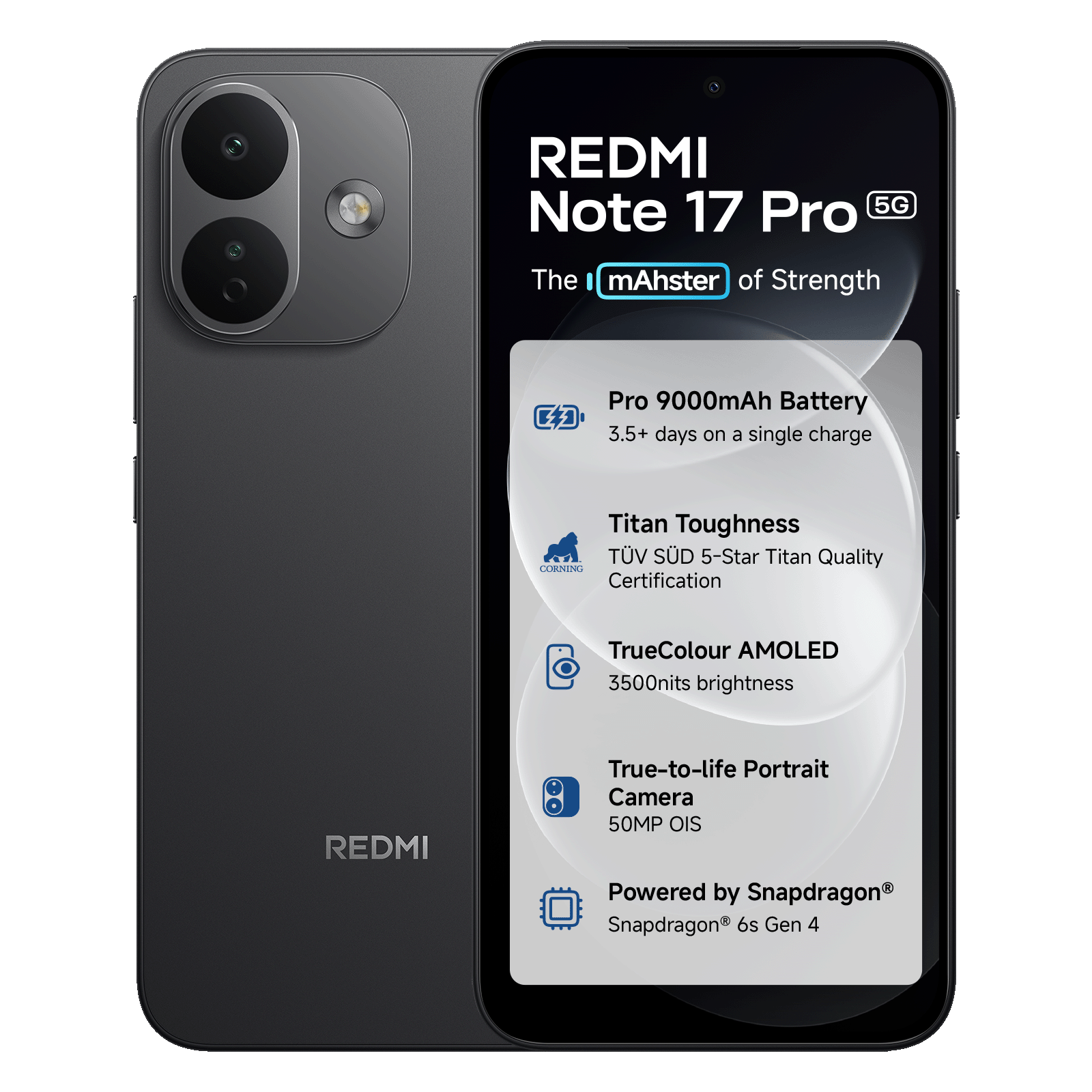
The chipset is where the two phones truly diverge rather than just splitting by storage. The Pro runs Qualcomm's Snapdragon 6s Gen 4, while the Pro Max steps up to the Snapdragon 6 Gen 5 paired with an Adreno 812 GPU, both built on a 4nm process. That's a real performance tier difference, not a marketing distinction, and it's the main reason to pay the roughly ₹13,000 premium for the Pro Max beyond battery size and camera resolution.
Both phones share a 6.83-inch 1.5K OLED display running at 120Hz, with HDR10+ and Dolby Vision support, 3,840Hz PWM dimming, and 3,200Hz touch sampling for reduced input lag in games. Durability is unusually aggressive for this price bracket: both carry Corning Gorilla Glass Victus 2 on top of a build Xiaomi calls the Redmi Titan Structure, with IP66, IP68, IP69, and IP69K ratings covering everything from dust to high-pressure hot water jets, plus an underwater mode and what Xiaomi brands Wet Touch Technology 2.0 for using the touchscreen with wet fingers.
Cameras and software
Camera specs favor the Pro Max modestly: both phones use a 50MP optically stabilized main sensor with an 8MP ultra-wide, but the Pro Max's main sensor carries a brighter f/1.5 aperture and steps the selfie camera up to 32MP against the Pro's 16MP, with both rear and front cameras on the Pro Max capable of 4K video recording. Software runs Android 16 with Xiaomi's HyperOS 3 on top, backed by a six-year security update commitment, longer than most phones in this price range typically promise. Xiaomi has also folded in a handful of on-device AI features, AI Glare Removal and AI Erase Pro for photo cleanup, alongside Google Gemini integration and Circle to Search built into the software.
Where this lands in an unusually crowded month
The Note 17 Pro series arrives into a busy stretch of Indian smartphone launches. Vivo's T5 5G launched at ₹34,999 on September 2 and went on sale a week later, and Infinix's Hot 70 Pro landed at ₹24,999 on September 4. Xiaomi is threading a gap between those two, undercutting flagship pricing while still charging a real premium over Infinix's entry-level positioning, on the strength of a bigger battery, a brighter display, and IP69K-rated durability that neither of those competitors currently advertises at the same price. Xiaomi is also running this launch alongside its costlier iPhone 18 Pro-adjacent flagship push this month, which makes the Note 17 Pro series the volume play: the phone Xiaomi is betting most Indian buyers will walk away with, even if the premium Xiaomi devices get the bigger marketing spend.
Buyers who care primarily about raw processing power should note the Pro and Pro Max aren't just storage tiers of the same phone, the chipset difference is real, and it's worth checking which Snapdragon variant a specific listing carries before comparing prices across retailers.


