iPhone 18 Pro and Pro Max First Impressions: What ₹1,64,900 Actually Gets You in 2026
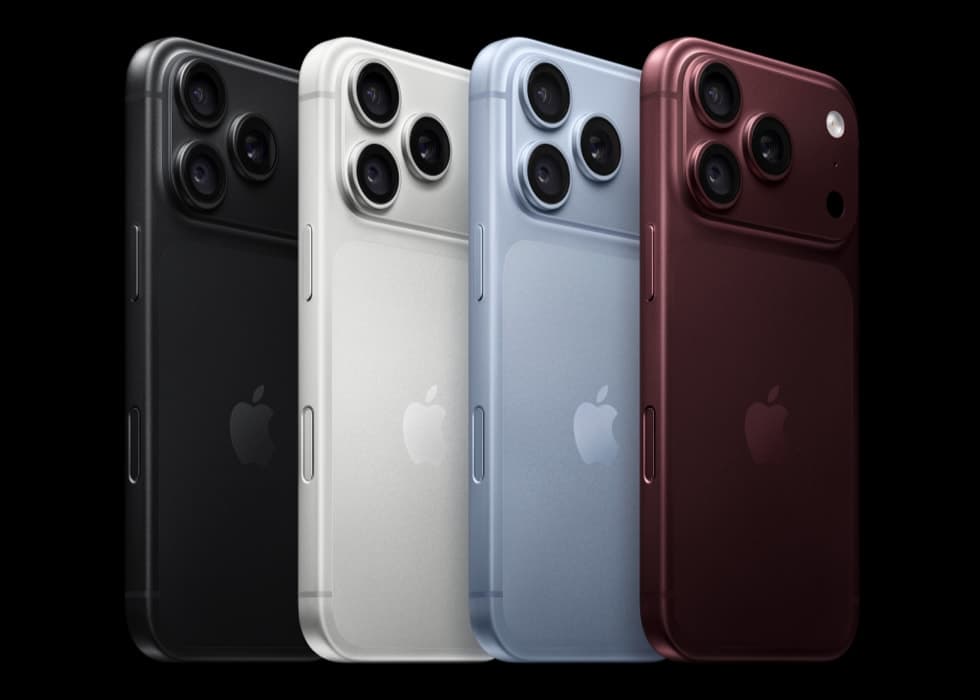
The iPhone 18 Pro and Pro Max start at ₹1,64,900 in India, with a variable mechanical aperture, a redesigned vapor chamber, and 12GB of RAM Apple still won't officially confirm. First impressions on what actually changed.
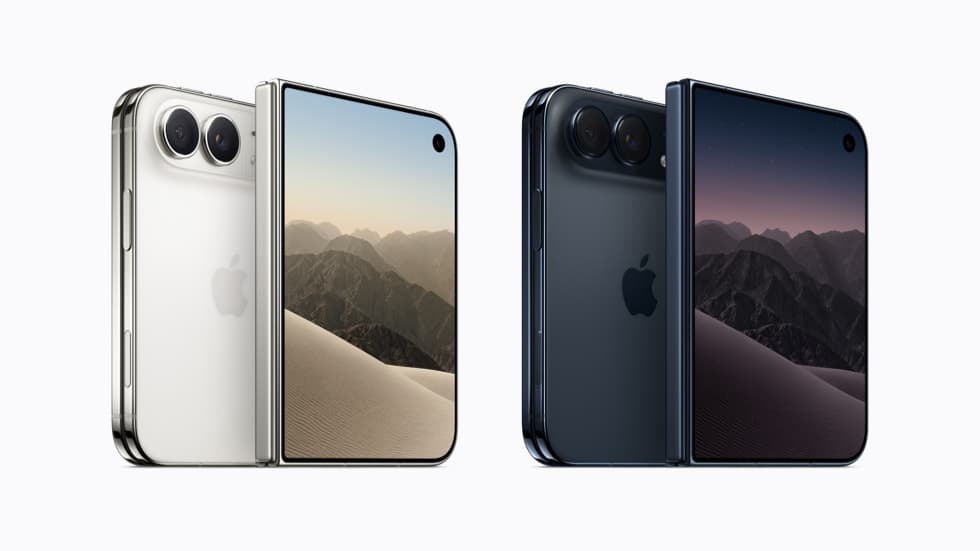
Apple's September 9 event wasn't only about the foldable. Alongside the iPhone Duo, the company also refreshed its standard Pro line: the iPhone 18 Pro and iPhone 18 Pro Max, both landing in India well below the foldable's ₹2,99,900 floor. Pre-orders opened September 12, and units start arriving September 18.
If the Duo is Apple's answer to "what if screen size had no limit," these two are the phones built for the person deciding whether to upgrade this year. Here's what changed, not just what got refreshed.
A note on what this is: first impressions from the launch announcement and official specs, not a hands-on. A full review follows once retail units are out.
The Price Ladder, In Full
The iPhone 18 Pro starts at ₹1,64,900 for 256GB, climbing to ₹1,89,900 for 512GB and ₹2,39,900 for 1TB. The Pro Max starts ₹15,000 higher at every matching tier: ₹1,79,900 (256GB), ₹2,04,900 (512GB), ₹2,54,900 (1TB), and a new ₹3,29,900 for 2TB, a storage option the standard Pro doesn't offer. In the US, the Pro Max alone runs from $1,299 to $2,499 across the same four tiers.
We flagged this coming back in our coverage of 2026's memory shortage: reports pointed to every new iPhone moving to 12GB of RAM, part of the same chip crunch that's pushed up laptop and phone prices across the board this year. True to form, Apple still won't print the number on its own spec page. The reported 12GB figure has since been independently confirmed by several outlets, and it puts the 18 Pro line at the same RAM as the iPhone Duo, a step behind the Galaxy Z Fold 8's 16GB.
The Aperture That Physically Moves
The headline feature isn't a new sensor count. It's a 48MP Fusion Main camera with a genuinely variable, mechanical aperture, the first time an iPhone's aperture has physically adjusted rather than simulating the effect in software. Paired with a redesigned six-blade mechanism, it's built to hold detail in low light without the usual trade-off of a blown-out background in brighter scenes.
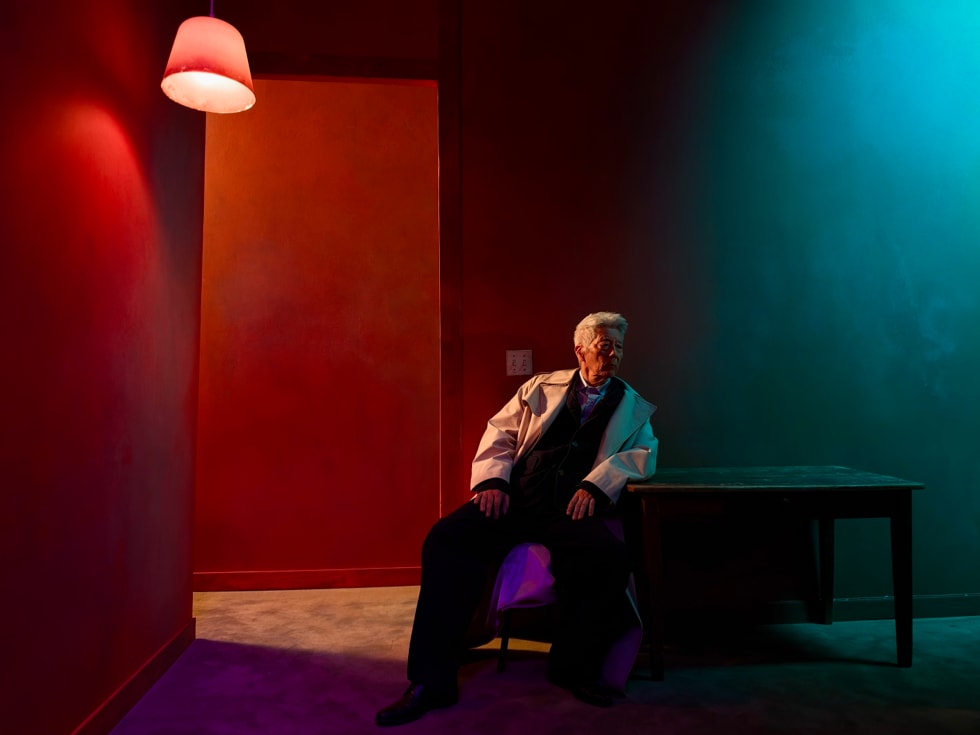
That's a harder claim to fake than most camera marketing. A closed aperture in daylight and an open one at night are physically different optical setups, not two software modes running through the same fixed lens. Whether it changes how most people's everyday photos actually look is the thing worth testing once units are in hand, not something a keynote slide can settle on its own.
The full setup is a triple 48MP rear array, and Apple has added new Pro controls in the Camera app so these settings are reachable, instead of buried three menus deep.
The Vapor Chamber Is Doing the Quiet Work
Less flashy, and arguably more consequential: a redesigned vapor chamber with three times the surface area of the iPhone 17 Pro generation, which Apple says delivers up to a 40 percent gain in sustained performance. That's a cooling claim, not a benchmark chip number, and cooling is usually the real bottleneck once a phone has been gaming or recording 4K video for ten minutes straight, well after the initial burst of speed has throttled back.
If that figure holds up under independent testing, it matters more for daily use than another single-digit jump on a benchmark chart. The A20 Pro is built on the same 2nm process as the Duo's chip, so most of this generation's real-world gain looks like Apple finally giving that silicon somewhere to put the heat.
Smaller Cutout, More Useful
The Dynamic Island shrinks this year while doing more with the space: Apple says it can now show three Live Activities at once without losing Face ID underneath it. It's an incremental change on paper, but this is the first year the cutout has gotten both smaller and more capable at the same time, rather than one improving at the other's expense.
Battery and the Rest
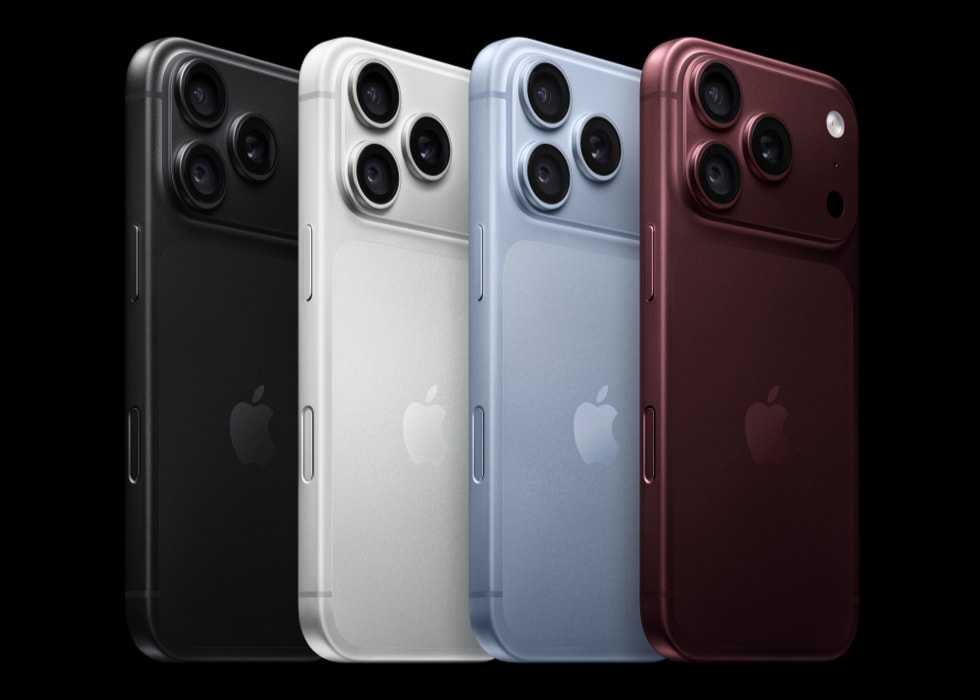
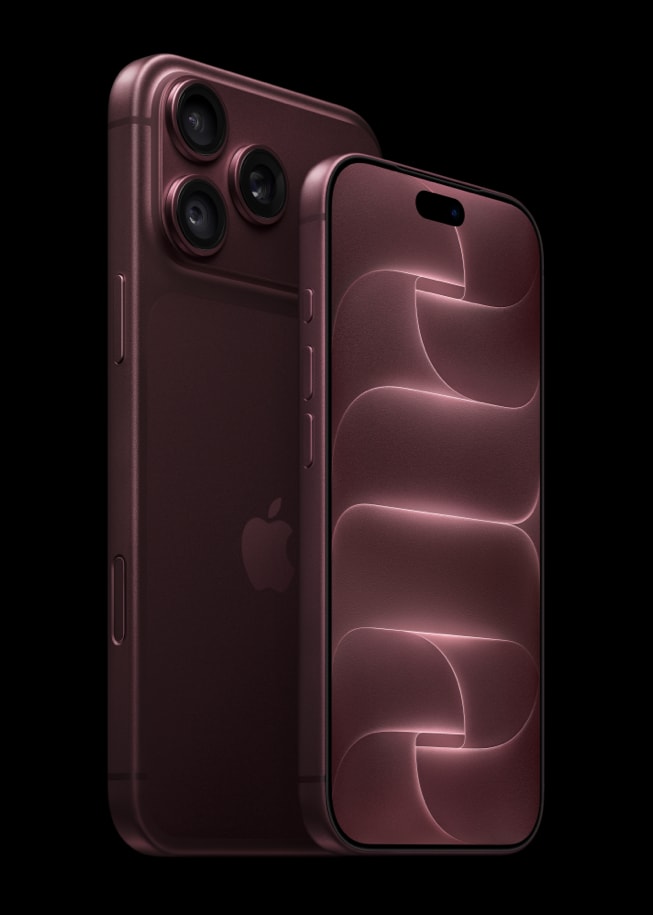
The Pro Max is rated for up to 45 hours of video playback on eSIM-only models, with Apple's real-world usage estimate landing at up to 30 hours between charges. Both phones ship in Black, Silver, and a new Glacier finish, plus a new Burgundy option that's the closest thing to a standout color this generation.
Who Should Care
If you're on an iPhone 15 or older, this is a real jump. The vapor chamber redesign and the variable aperture aren't refinements of last year's version of the same feature; they're new mechanisms entirely. If you already own a 17 Pro or Pro Max, the case is thinner. The core shape of the phone hasn't moved, and unless the aperture specifically solves a photography frustration you've had, paying full price for a year-over-year step feels hard to justify.
And if you were tempted by the iPhone Duo instead, these two are simply a different bet. The Duo is Apple asking whether you'll pay a premium for more screen. The 18 Pro and Pro Max are Apple asking whether you'll pay a smaller premium for a camera that behaves more like a real camera. Most people are better served picking based on which question actually matters to how they use a phone, not by which one got the bigger segment on stage.
Have you pre-ordered either one, or are you sitting this generation out? Tell us what tipped it either way.